
Packing Tips for Moving House: Save Time, Space & Stress
Packing Tips for Moving House
Planning to move house, wondering how to start packing for moving house? Whether you’re moving across London or relocating to a new area, packing can quickly become overwhelming without the right approach and correct planning. With proper planning, the right packaging materials, and expert guidance, you can make your move efficient, organised, and far less stressful.
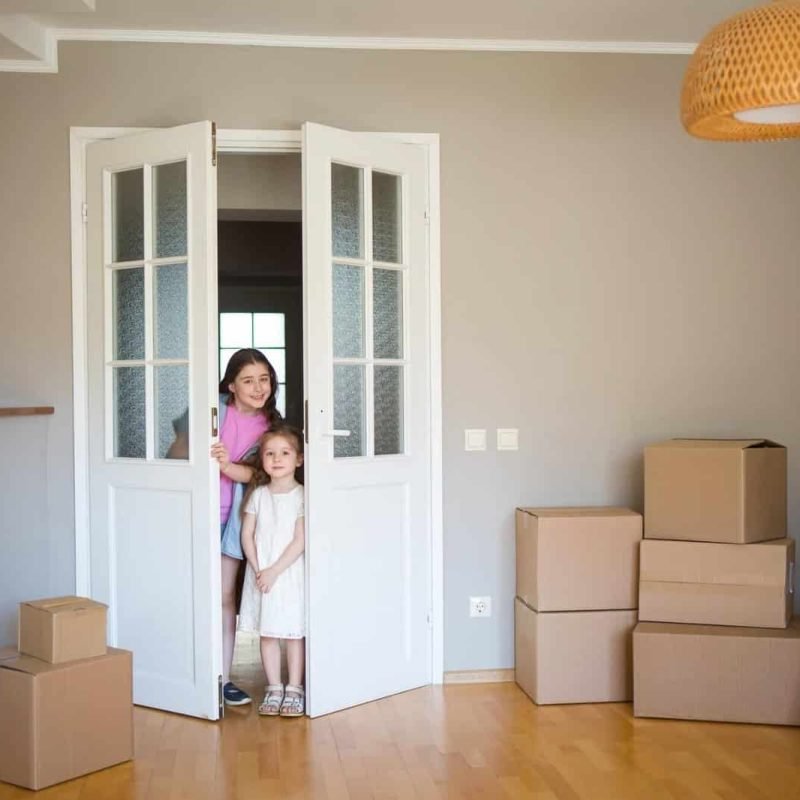
At London House Removals, we’ve helped countless households move smoothly across the capital. In this guide, we’ll walk you through practical, proven packing tips to help you save time, maximise space, and protect your belongings during your home moves.
Make a Proper Plan Before You Start Packing
Before you begin filling boxes, take time to plan. Walk through each room and list what needs to be packed. This helps you:
- Estimate how many boxes you’ll need
- Avoid overpacking or under-preparing
- Stay organised throughout the process
A structured approach prevents last-minute panic and ensures nothing is overlooked.
👉 For a step-by-step moving plan, visit:
www.london-houseremovals.co.uk
When Should You Start Packing for House Move?
Ideally, you should begin packing 6–8 weeks before your moving date. If you have a larger home, start even earlier.
Packing gradually allows you to:
- Spread the workload
- Stay organised
- Reduce stress closer to moving day
A simple rule: pack little and often.
How to Prioritise What to Pack
Not everything needs packing at once. The key is to start packing with items you rarely use.
Start with:
- Loft or garage items
- Seasonal clothing
- Books and decorations
Leave until last:
- Kitchen essentials
- Toiletries
- Daily clothing
Packing in the right order ensures you still have access to what you need until moving day.
Which Room Should You Pack First?
Start with rooms used least frequently, such as:
- Spare rooms
- Storage areas
- Loft spaces
Work your way towards high-use areas like the kitchen and bedrooms. This approach keeps your home functional while you prepare.
Declutter Before You Pack
Moving house is the perfect opportunity to clear out unwanted items. Decluttering helps you:
- Reduce packing time
- Lower moving costs
- Start fresh in your new home
Sell items online, donate to charity, or recycle where possible. The fewer items you move, the easier the process becomes.
Get the Right Packing Supplies
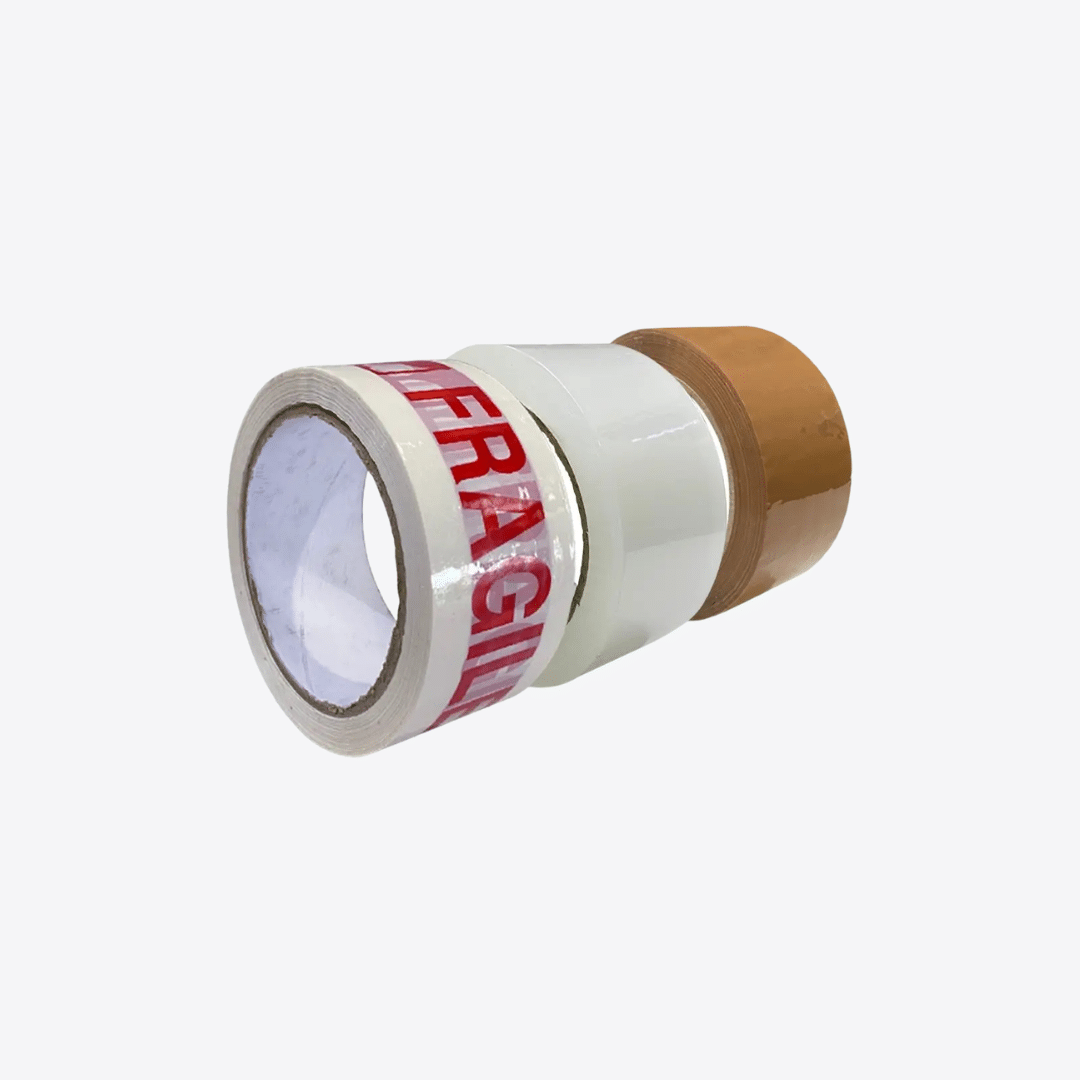
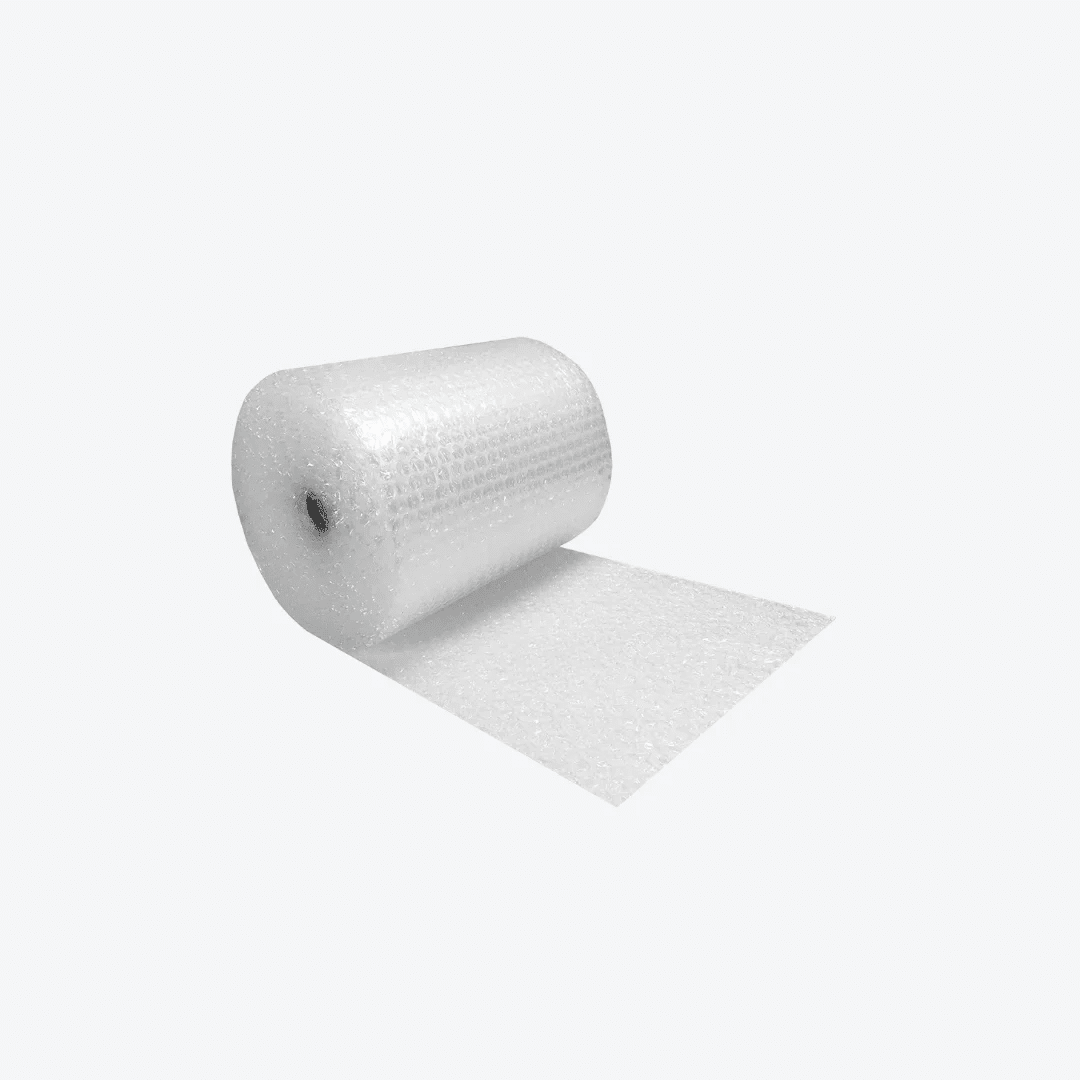
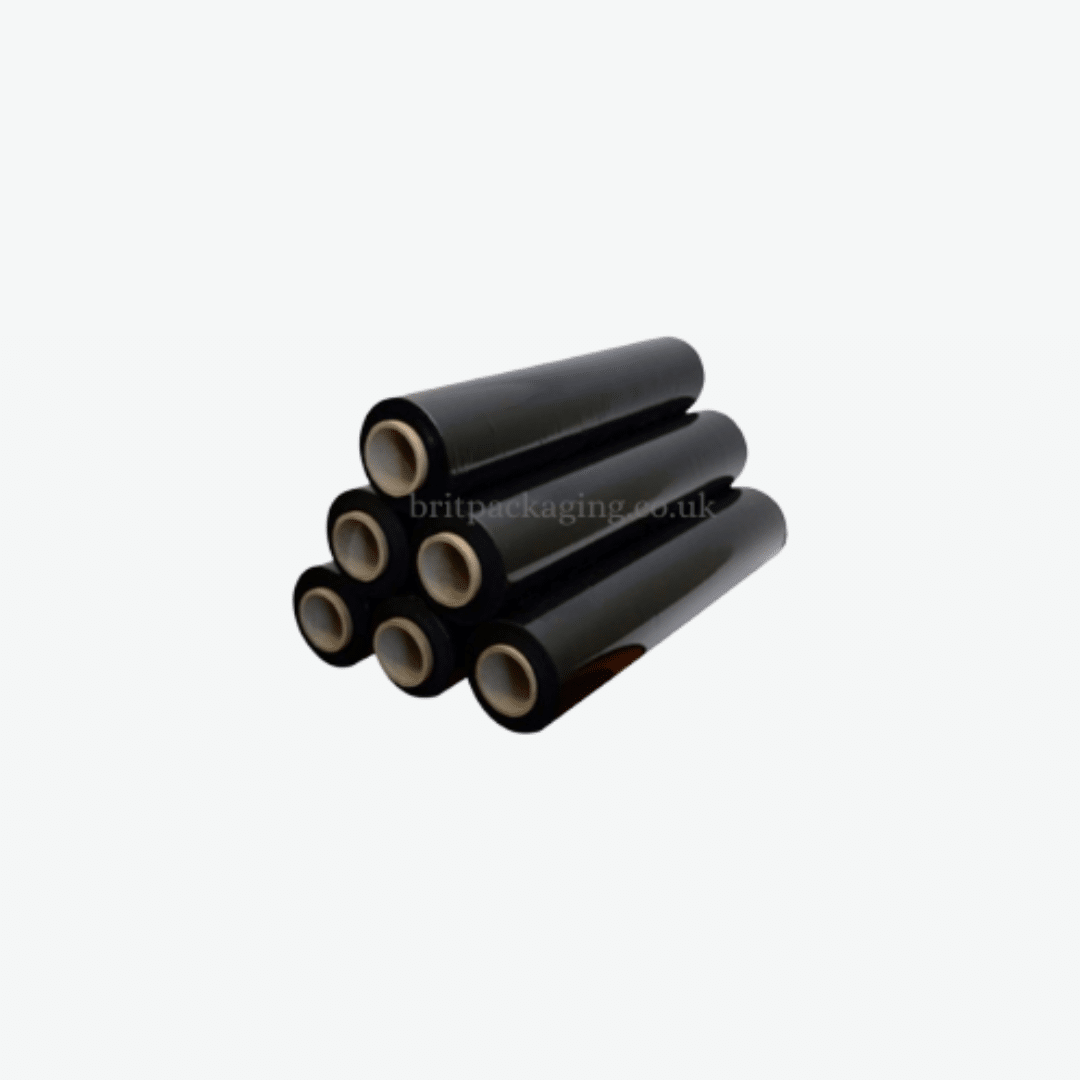
Having the correct materials is essential for protecting your belongings. You’ll need:
- Strong cardboard boxes (various sizes)
- Wardrobe boxes
- Bubble wrap and packing paper
- Heavy-duty packing tape
- Labels and marker pens
- Furniture covers and protective padding
- Floor/carpet protect – preferably in carpeted floors
For high-quality supplies, explore:
👉 Brit Packaging
Using professional-grade materials significantly reduces the risk of damage during transit.
Eco-Friendly Packing Options
If you want to reduce waste during your move, consider:
- Reusing boxes from friends or local shops but this is not ideal
- Using towels and clothes instead of bubble wrap
- Choosing recyclable or biodegradable materials
Sustainable packing is not only better for the environment but can also save money.
Label and Organise Everything
Labelling is one of the most overlooked yet essential packing steps.
Best practices:
- Label each box with the room name
- Add a short description (e.g., “Kitchen – utensils”)
- Mark fragile boxes clearly- fragile tape or label
You can also number boxes and keep an inventory list to track everything during the move and if you need storage for short or long term or you are moving abroad.
Pack an Essentials Box
Prepare a separate box with items you’ll need for the first 24 hours in your new home.
Include:
- Toiletries and medications
- Phone chargers
- Important documents
- Kettle, mugs, tea/coffee
- Snacks and basic food
- Clothes and bedding
Keep this box with you rather than loading it into the removal van.
Smart Packing Tips to Save Time and Space
Don’t Overpack Boxes
Heavy boxes are difficult to lift and more likely to break. Use small boxes for heavy items and large boxes for lighter ones.
How to Pack Clothes Efficiently
Keep clothes on hangers and cover and use wardrobe boxes for special suits and jackets. This saves time when unpacking.
How to Pack Toiletries
Seal lids with cling film to prevent leaks and store them in plastic bags.
How to Pack Fragile Items
Wrap each item individually using bubble wrap or packing paper. Fill empty spaces in boxes to prevent movement.
How to Pack Electronics
Use original packaging if possible. Otherwise, wrap items in thick padding and label cables clearly.
How to Move Large Furniture
Disassemble furniture where possible and label all parts. Use protective covers to avoid scratches and damage.
What Not to Pack
Certain items should not go into standard moving boxes:
- Large appliances (leave to professionals)
- Valuables and important documents
- Hazardous materials
- Sentimental or irreplaceable items
Transport these items yourself for added security.
How to Pack Quickly (If You’re Short on Time)
If you’re on a tight schedule:
- Declutter first
- Gather all materials in advance
- Pack room by room
- Ask friends or family for help
- Consider hiring professionals
A professional removals service can significantly speed up the process.
Should You Use a Professional Packing Service?
If packing feels overwhelming, hiring experts can save time and effort.
At London House Removals, we offer:
- Full packing services
- Partial packing for fragile items
- Furniture protection and dismantling
- Safe and efficient transportation
Our experienced team ensures your belongings are handled with care from start to finish.